New habitat for pheasants along Ross Creek
Partnership supports creating a new habitat
MEMS was happy to support the Alberta Conservation Association (ACA) and Pheasants Forever (Chinook Chapter) in creating a new habitat for pheasants along Ross Creek near Medicine Hat. MEMS provided the funding application, design, regulatory support and construction supervision in the fall of 2022 for this innovative environmental enhancement project.
Project design leads to restoration
The project restored natural drainage to valley bottomlands where overland flow had long been blocked or diverted during early settlement. The design introduced a new flood channel connection to Ross Creek, allowing gravity-driven flow onto the floodplain during high-water events. Additional features—including swales and shallow wetlands—were created to improve local soil moisture and enhance ecological function. While the project provides downstream flood-control benefits, its primary goal is to develop high-quality pheasant habitat in alignment with ACA and Pheasants Forever mandates. Funding was provided through the Alberta Watershed Resiliency and Restoration Program.
Project lead, Leonard Hanson, noted that MEMS’ design and support were central to the project’s success. During a major high-water event shortly after construction, excess runoff was redirected to the Ross Creek floodplain exactly as planned. The wetlands filled, and sediment from upstream farmland settled across the floodplain instead of travelling farther downstream toward the South Saskatchewan River. Reclamation work continues as the site evolves.
Wildlife response has been strong. Multiple wetlands have supported duck and goose hatches, and a large Great Blue Heron rookery has become established near the southwest wetland. Approximately 1,600 shrubs have been planted around the site to support long-term habitat growth, with more plantings planned. Native grass seed has also been applied across areas disturbed during construction to promote natural recovery.
“Because of these measures, lush grass growth has returned to the Ross Creek Conservation Site, and downstream water quality has improved,” said Leonard. “This project would not have been possible without the strong support of the Alberta Conservation Association and its Lethbridge regional office.”
Project Photos
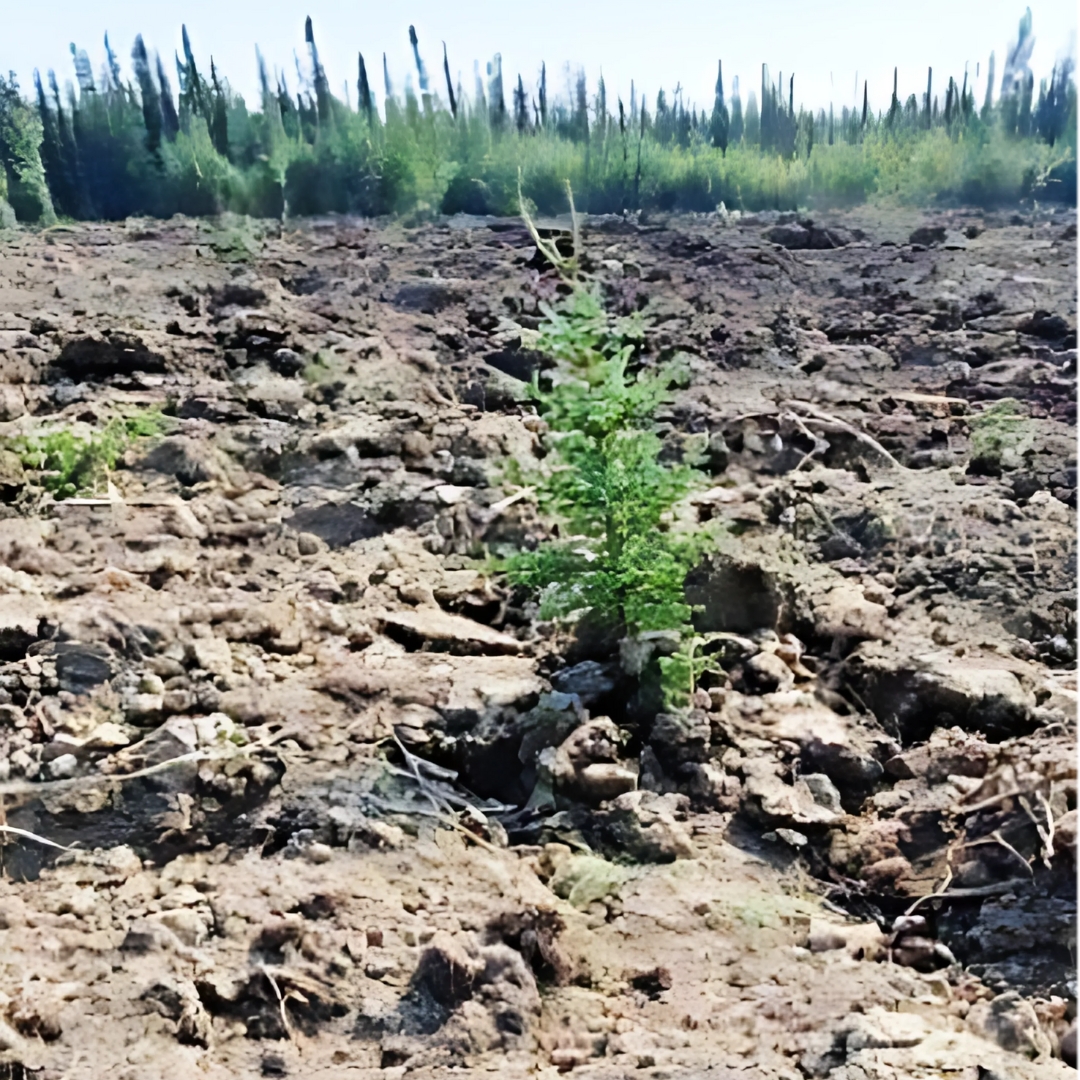
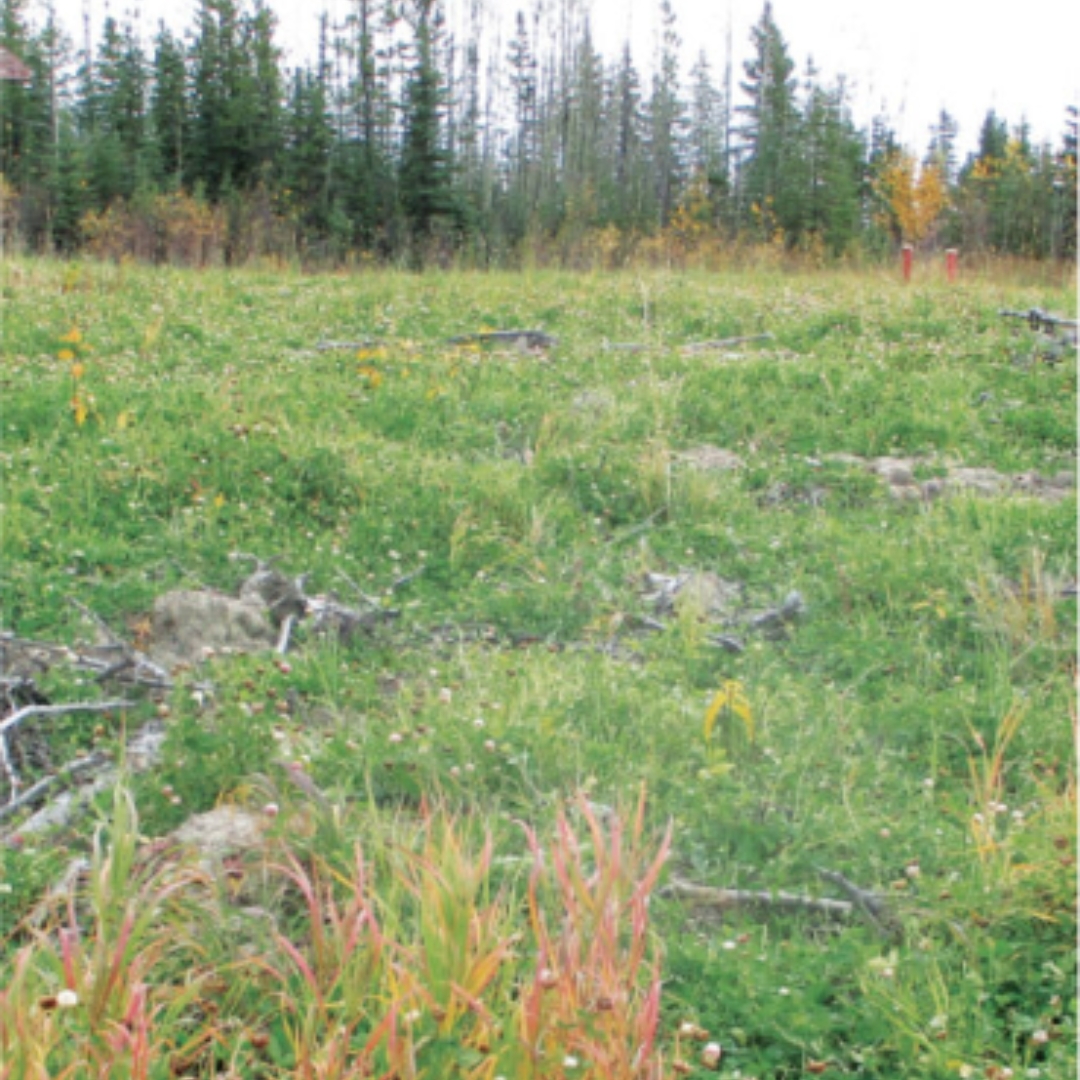
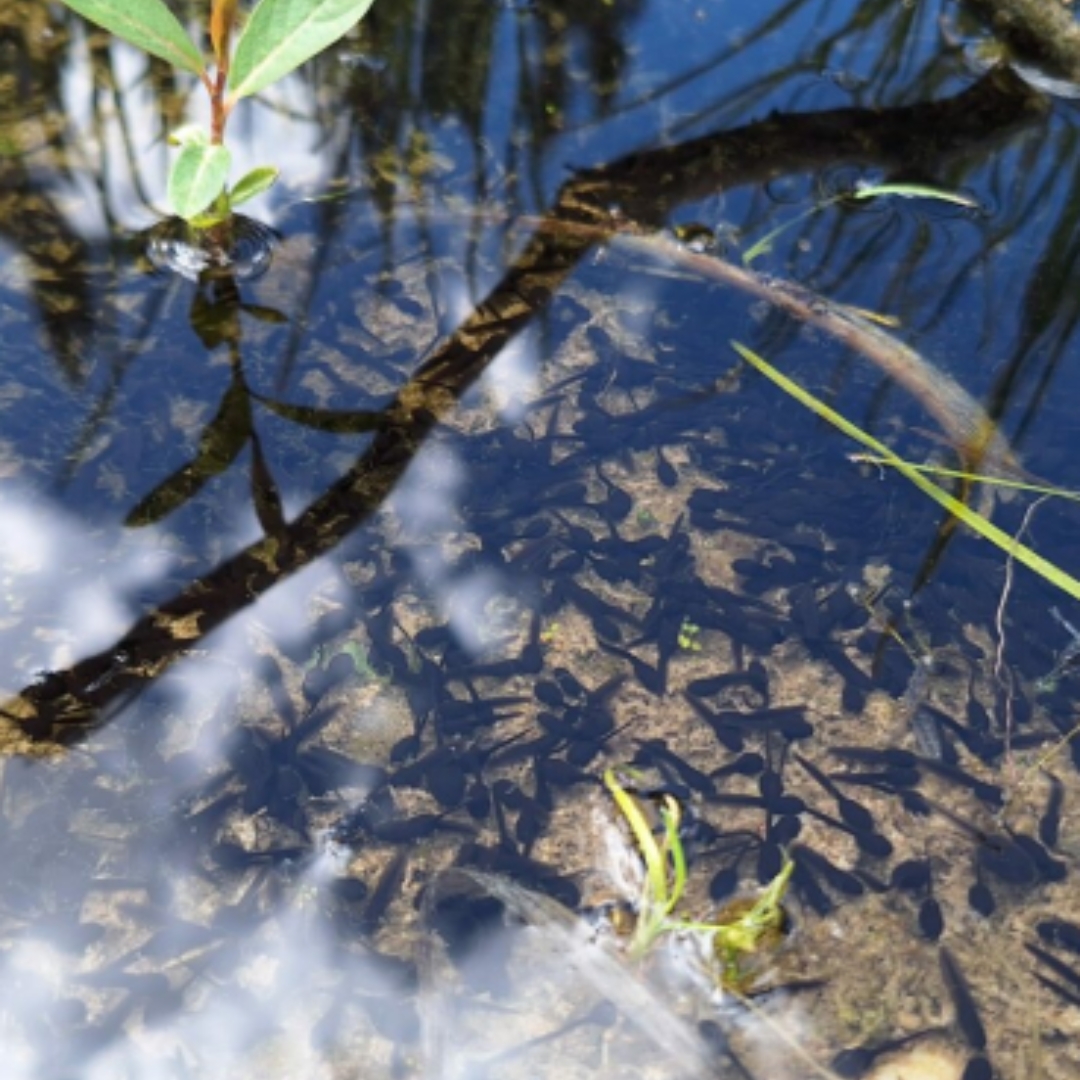
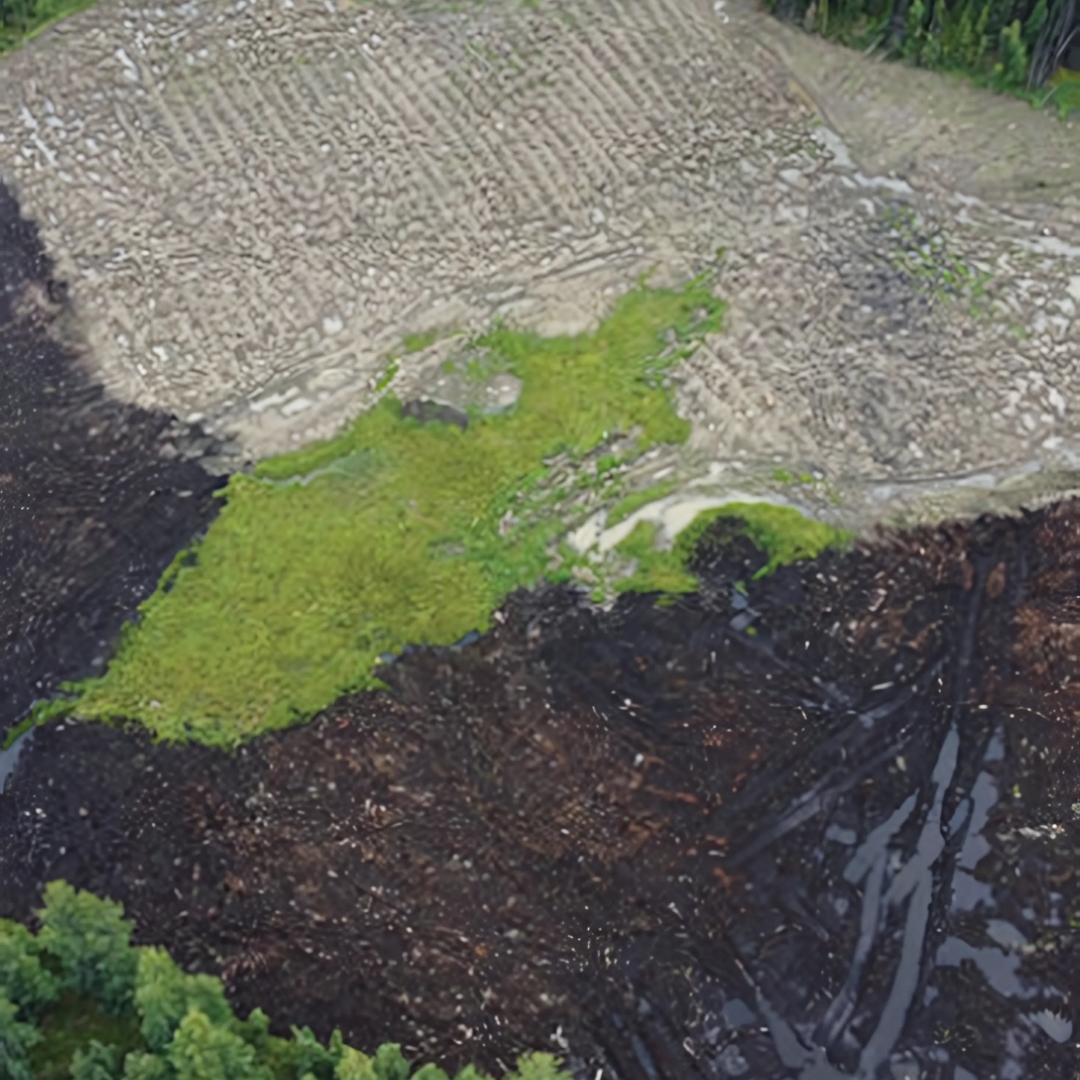
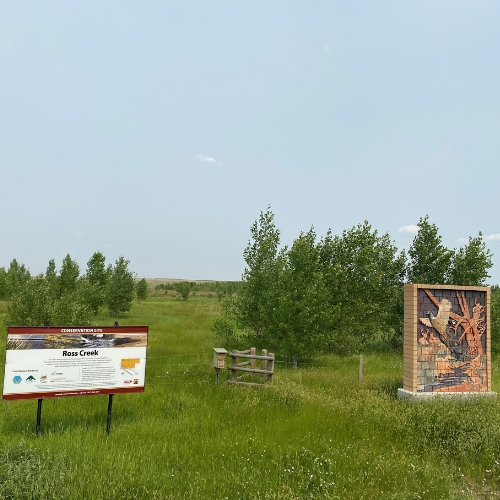
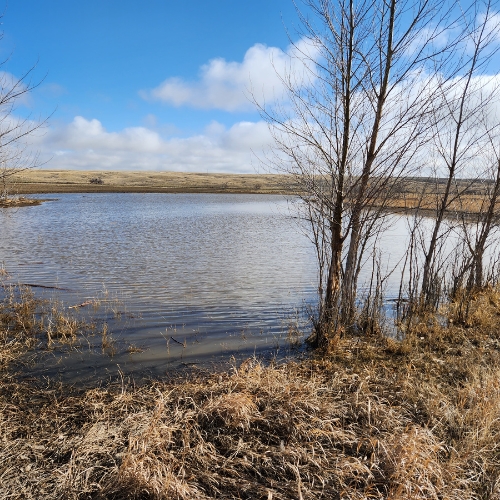
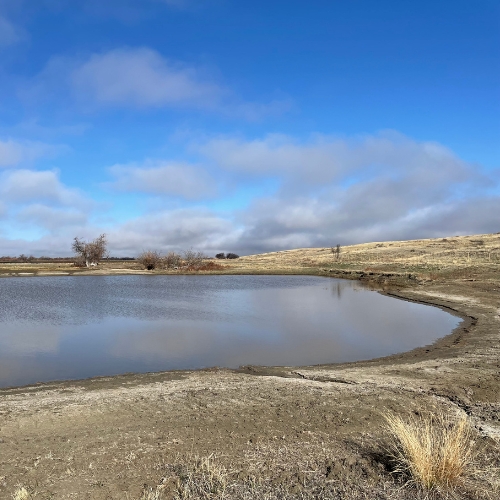
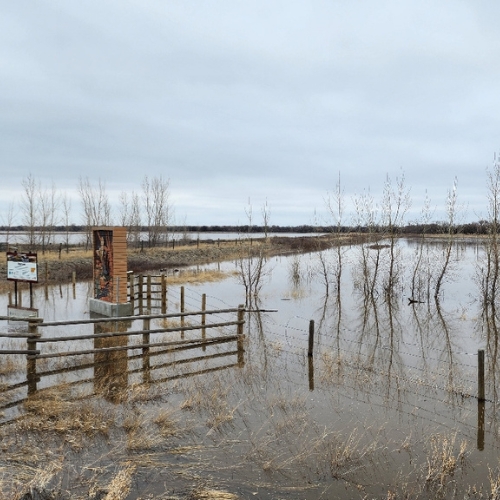
All photos were taken in the spring following completion of the project. Descriptions are provided from left to right (Photos 1 to 4).
Photo 1 – A wide view of the flooding along the Ross Creek floodplain, showing both the Ross Creek Conservation Site and adjacent property. The image highlights how water naturally spreads across the restored valley bottomlands.
Photo 2 – The southeast wetland shortly after a major flood event. This wetland holds the smallest water volume because the other three wetlands incorporate former livestock dugouts, which provide significantly greater depth.
Photo 3 – The northeast wetland following a flood event. This feature captures runoff from the south-sloping draws, helping to distribute water across the landscape as intended.
Photo 4 – The southwest wetland. The original dugout in this location had been isolated from livestock for many years, allowing cottonwoods, willows, and cattails to establish naturally before the wetland was expanded. This early vegetation has contributed to its strong ecological response.
MEMS is proud to deliver our core value of service by contributing to innovative environmental solutions like this.