Wetland Restoration & Long‑Term Monitoring Program
We fully digitized a multi‑year Groundwater and Surface Water Monitoring program associated with a large wetland restoration initiative.
In 2024, field teams collected hundreds of water samples across western Canada using ArcGIS Field Maps, eliminating paper field sheets and reducing transcription errors. This digital workflow integrates directly with an internal data‑management platform, accelerating reporting timelines and giving project teams real‑time visibility into evolving site conditions.
We also developed a Monitoring Dashboard, providing Project Managers with instant, at‑a‑glance updates on program status and enabling faster, data‑driven decision‑making.
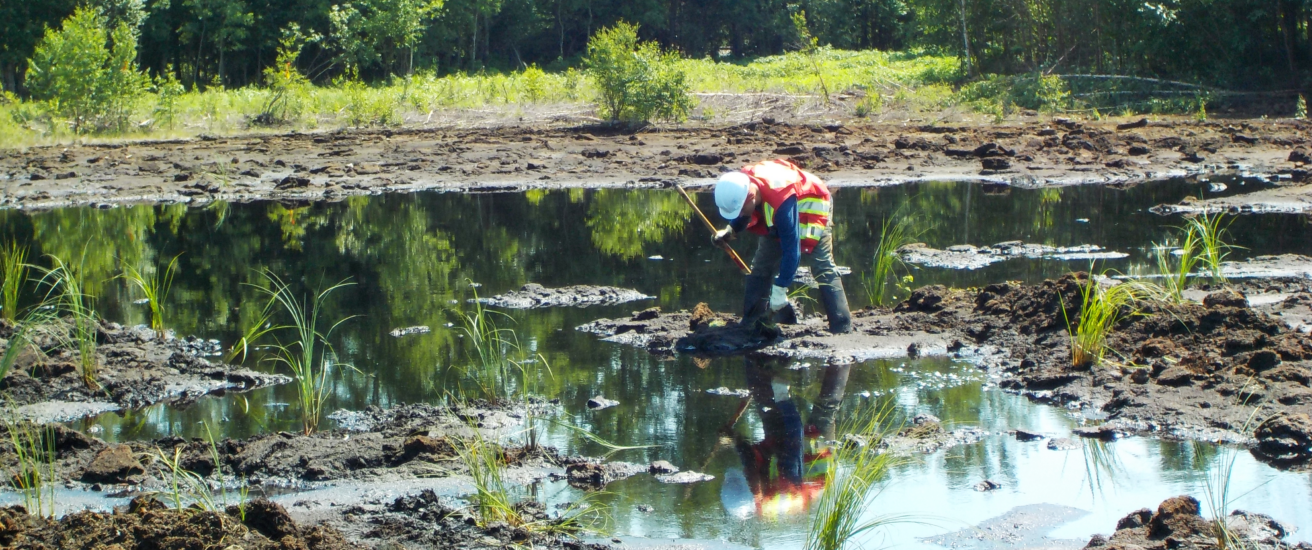
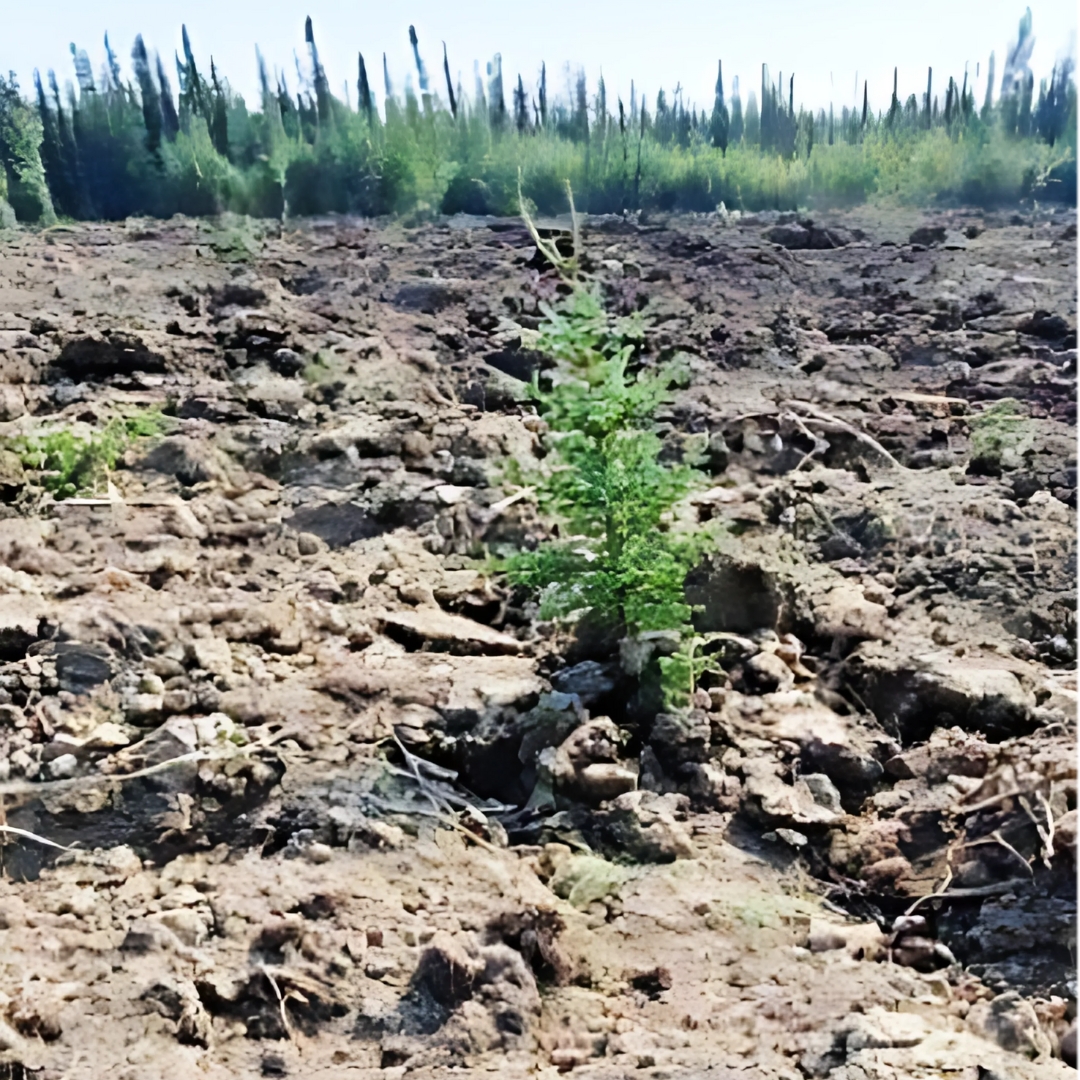
Sedge transplant 0.34 ha wetland—June 2014.
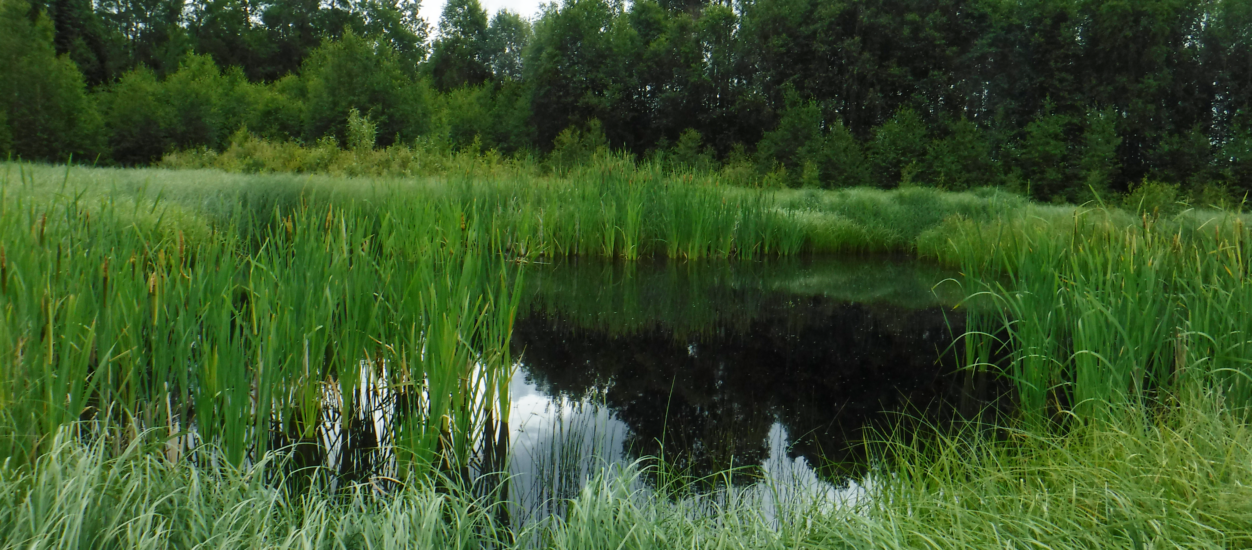
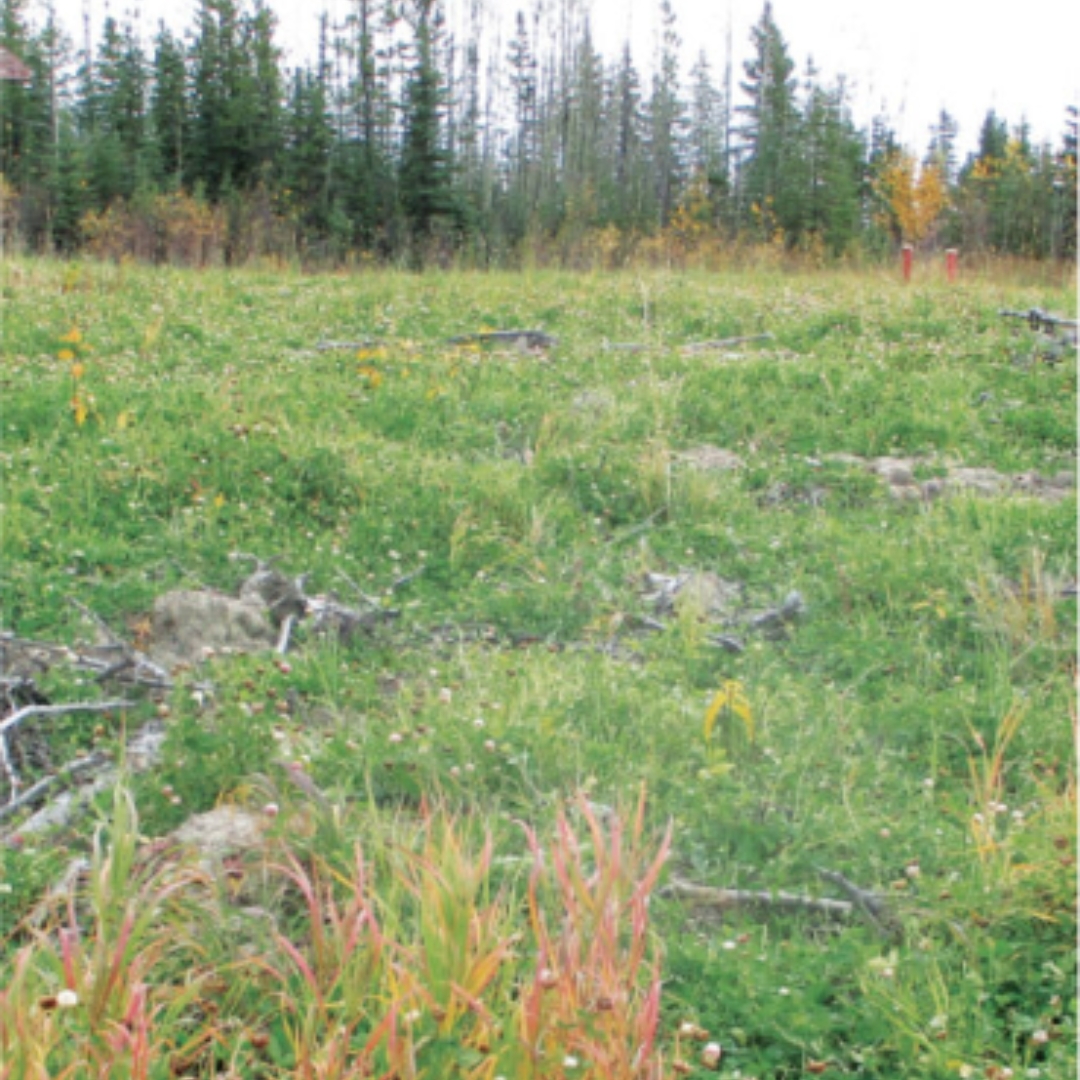
Sedge transplant wetland four year after planting.
Wetland Compensation & Restoration Program
Following changes to the project footprint, our team proposed a new wetland compensation strategy in 2016. The program incorporated:
- Two reclaimed borrow pits previously seeded with temporary and seasonal marsh vegetation
- An adjacent historic peat farm
- A restored peatland area enclosed with protective fencing
Under this compensation program, a total of 11.49 hectares of wetlands are planned for restoration.
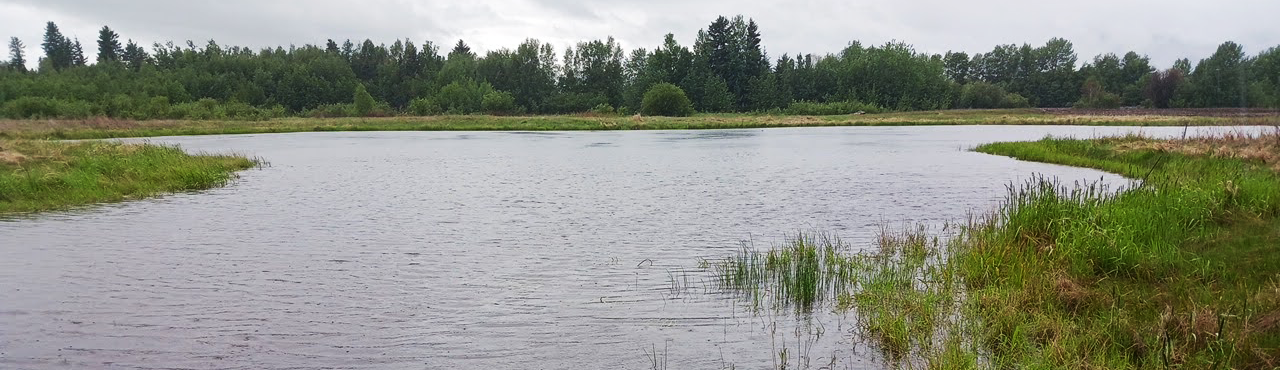
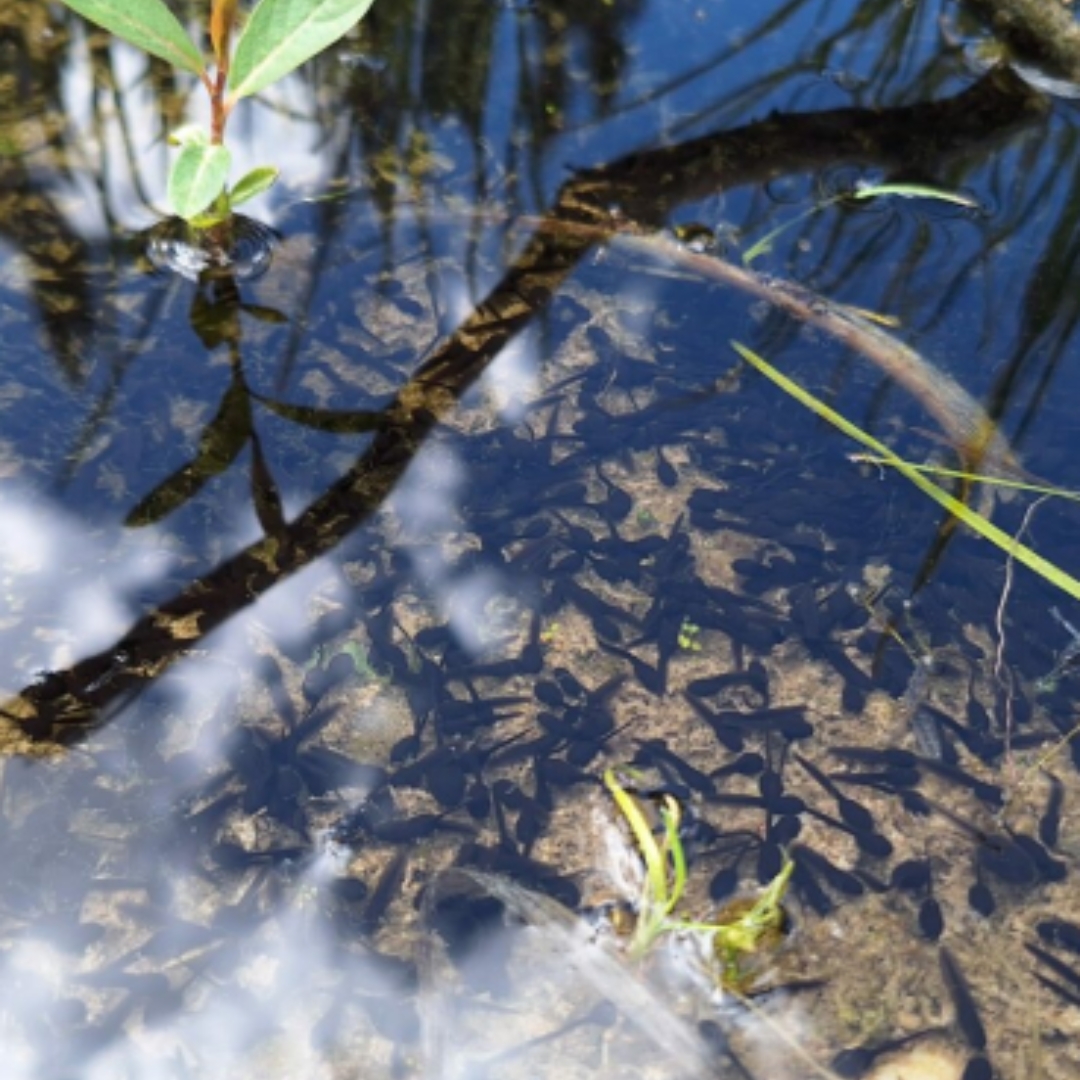
Reclaimed Borrow Pit—2024.
Heavy birch encroachment within the fenced peatland created competition for water and increased shading, limiting the establishment of mosses and vegetation typical of graminoid or shrubby fens. In 2016, aerial application of a selective herbicide was carried out to remove the birch and restore suitable conditions for the target plant communities.
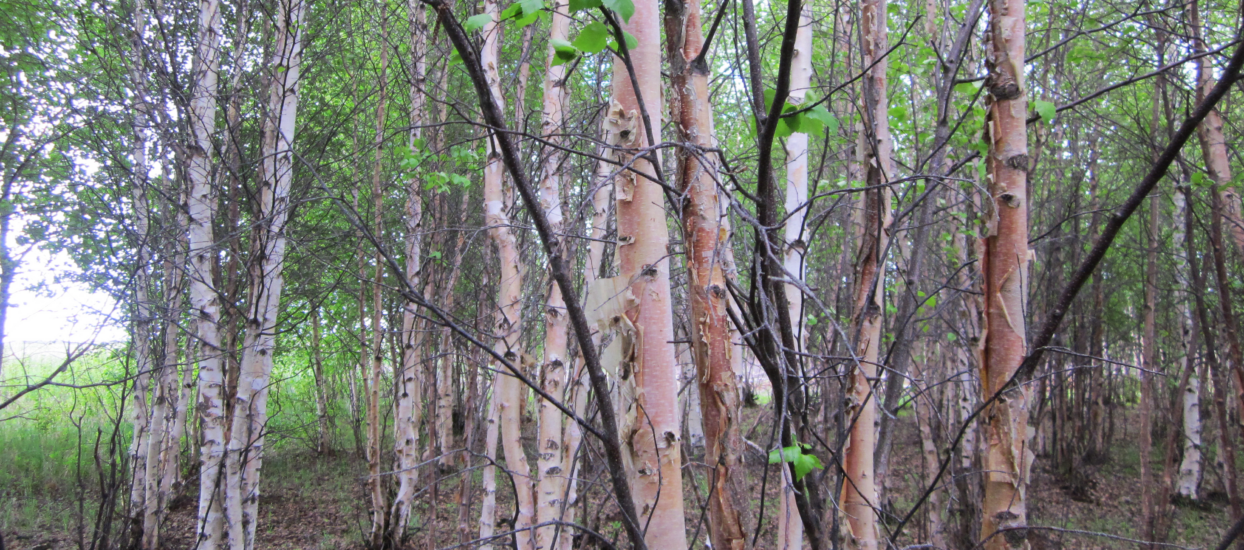
Restored Peatland—2014
Site Conditions & Ecological Interventions
Heavy birch encroachment within the fenced peatland was reducing water availability and shading the ground layer, limiting the establishment of mosses and fen‑typical vegetation. In 2016, a selective herbicide was aerially applied to remove the birch and restore suitable ecological conditions for target plant communities.
Despite significant flooding events in 2018 and 2020, the reclaimed borrow pits now support a distinct emergent wetland vegetation zone and associated wildlife, including muskrats, waterfowl, and aquatic invertebrates.
The historic peat farm—dry in 2015—has regained a stable moisture regime following the plugging of historical drainage ditches and is transitioning toward a graminoid fen.
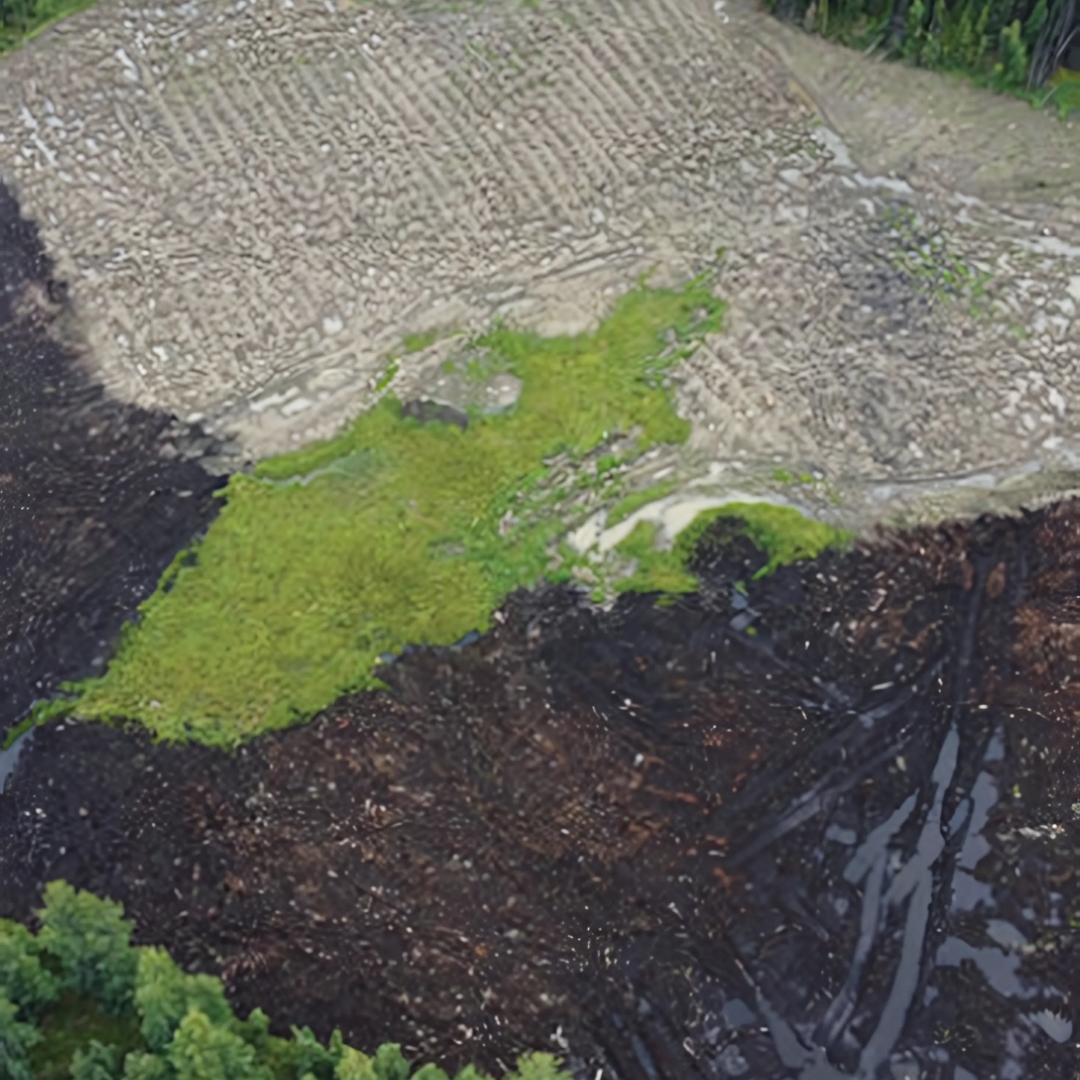
Within the restored peatland, moss cover has steadily increased since 2017 and continues to trend toward a shrubby fen ecosystem.
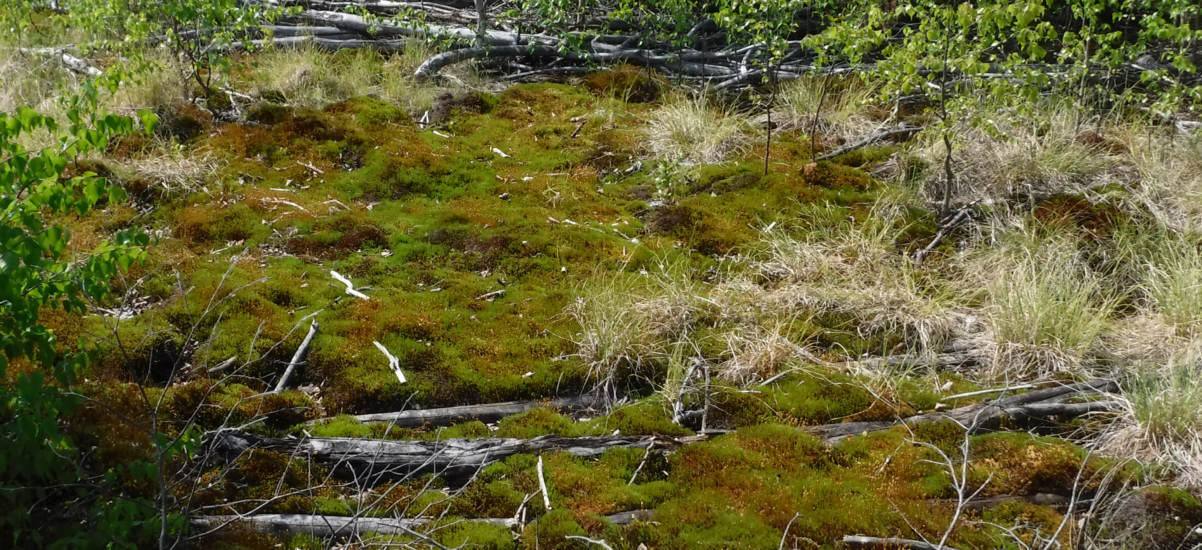
Moss Growth in Restored Peatland—2024
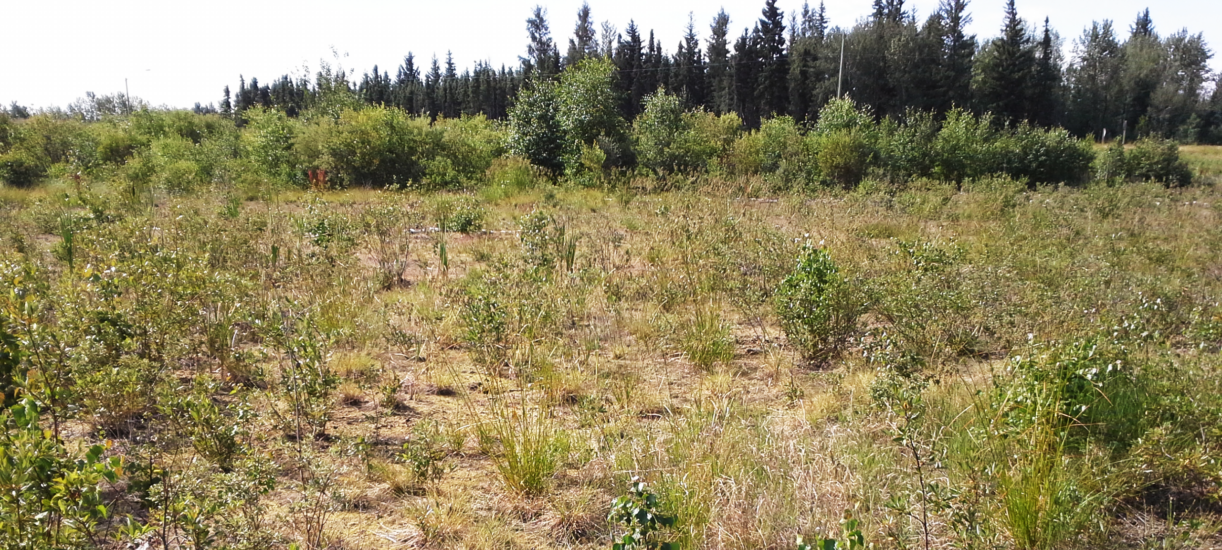
Historic Peatland—2016
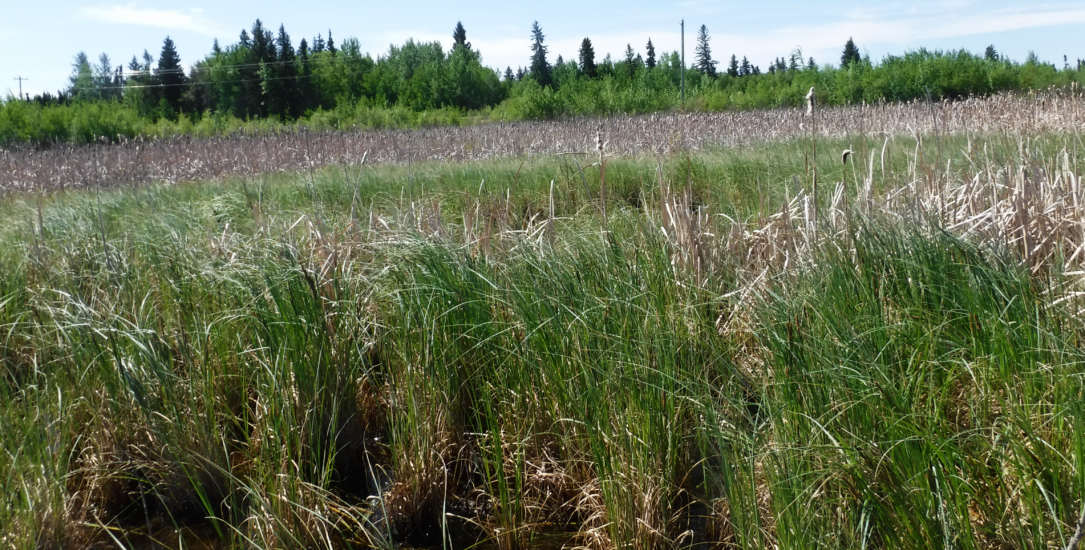
Historic Peatland—2024