
Water & Aquatics
Understanding Water Systems
Monitoring Water Systems to Support Informed Decisions
Water Risk Evaluations
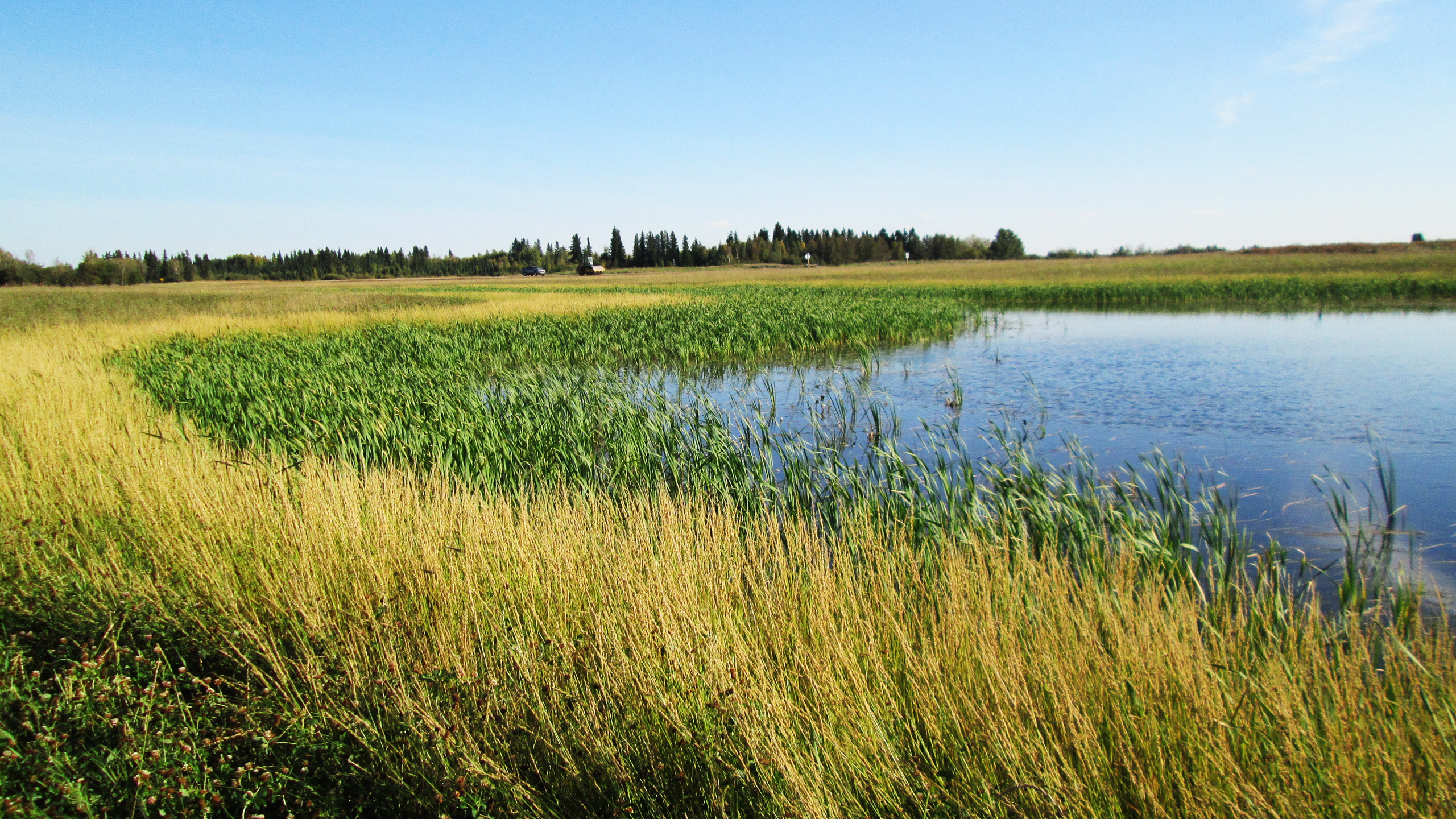
Healthy watersheds depend on the interaction of water sources and changing water conditions across the landscape.
Linking water quality, flow, and aquatic conditions through monitoring helps identify how these systems change over time and informs management and regulatory compliance that supports river health and watershed function.
Hydrogeology
Managing groundwater for long-term reliability and compliance
We support sustainable groundwater use through groundwater characterization, testing, and licensing for industrial, municipal, and infrastructure projects.
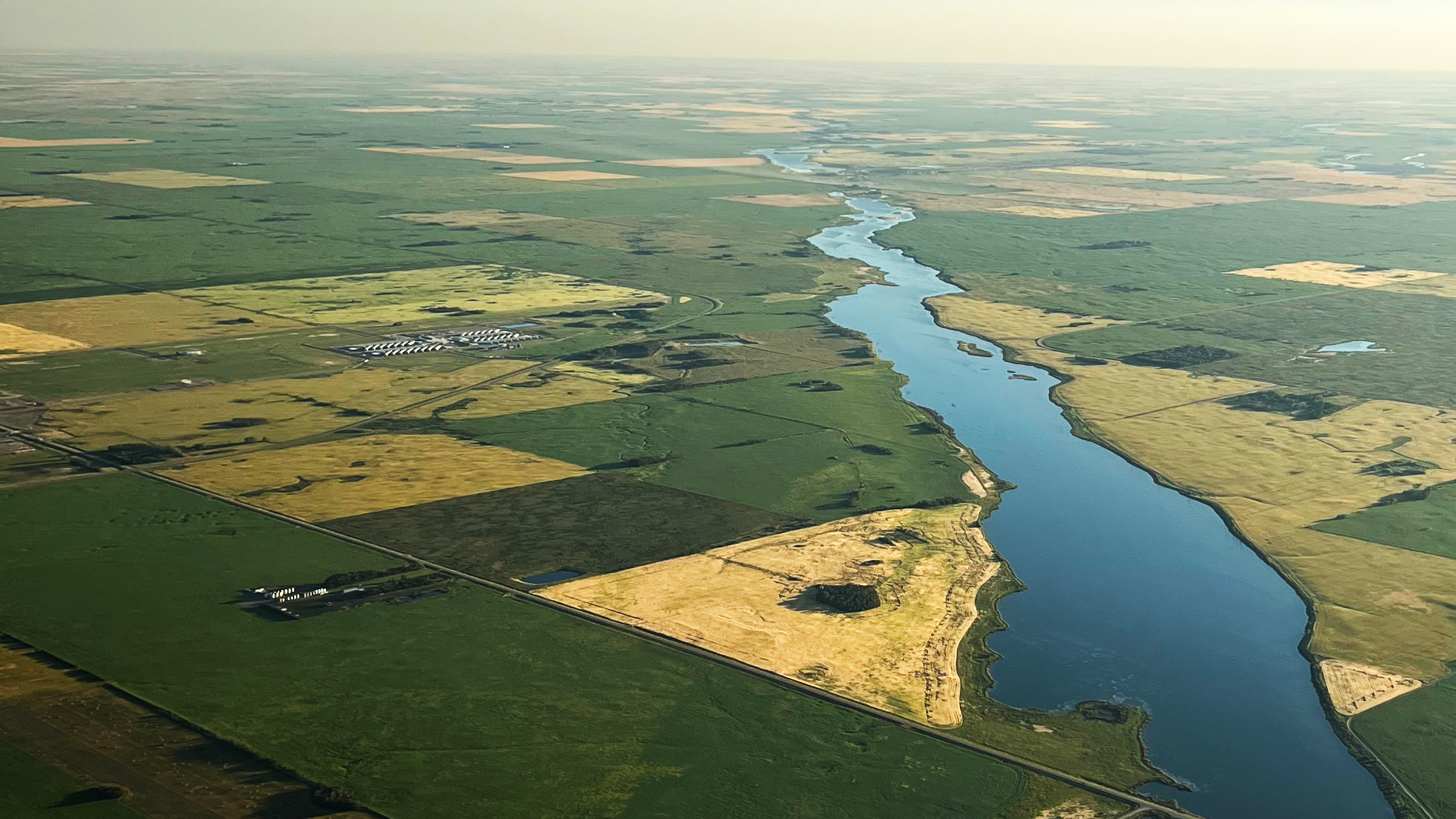
Our services include aquifer testing, water balance analysis, and local to regional hydrogeologic mapping, along with support for Water Act licensing. We assess groundwater–surface water interactions and integrate findings into risk assessments and monitoring programs to help maintain long-term aquifer sustainability.
This integrated approach ensures groundwater resources are managed responsibly while supporting project needs and regulatory requirements.
Wetlands and Hydrology
Understanding Water Movement and Wetland Function
- Hydrology and wetlands are interconnected parts of watershed systems, influencing wetland function, surface water, and downstream environments.
- MEMS conducts wetland delineation, classification, and functional assessments to support planning, regulatory approvals, impact assessments, and reclamation certification.
- Wetland work is integrated with hydrology, surface water quality, and aquatic habitat evaluations for strong regulatory submissions and long‑term land management.
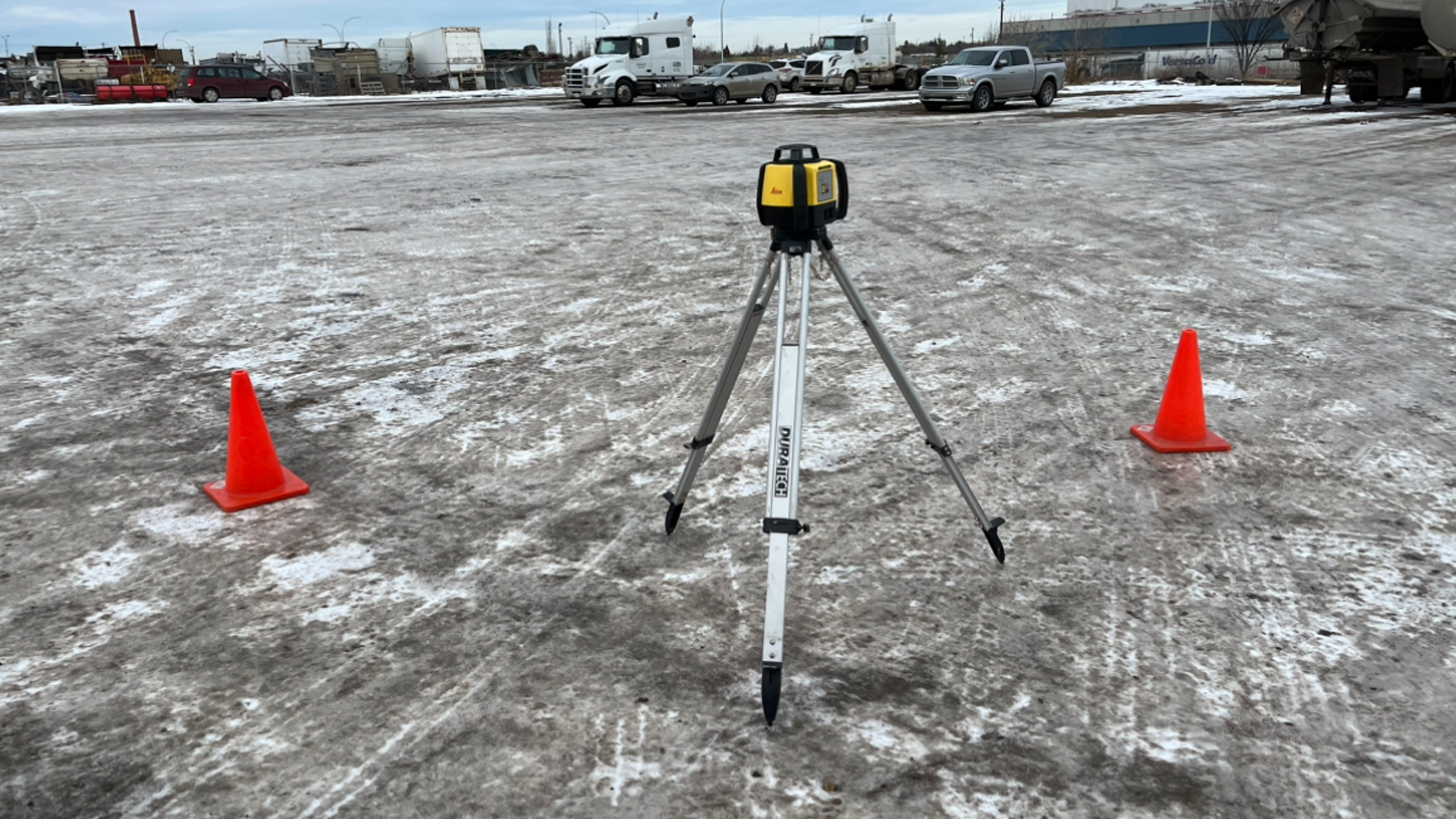
- Hydrologic investigations include watershed delineation, field data collection, and numerical modelling to assess runoff, recharge, and flow‑alteration risks.
- By linking hydrology with wetland and aquatic sciences, MEMS helps clients manage water quantity and timing while supporting ecosystem health and sustainable development.
Surface Water Quality
Understanding water quality to manage environmental risk
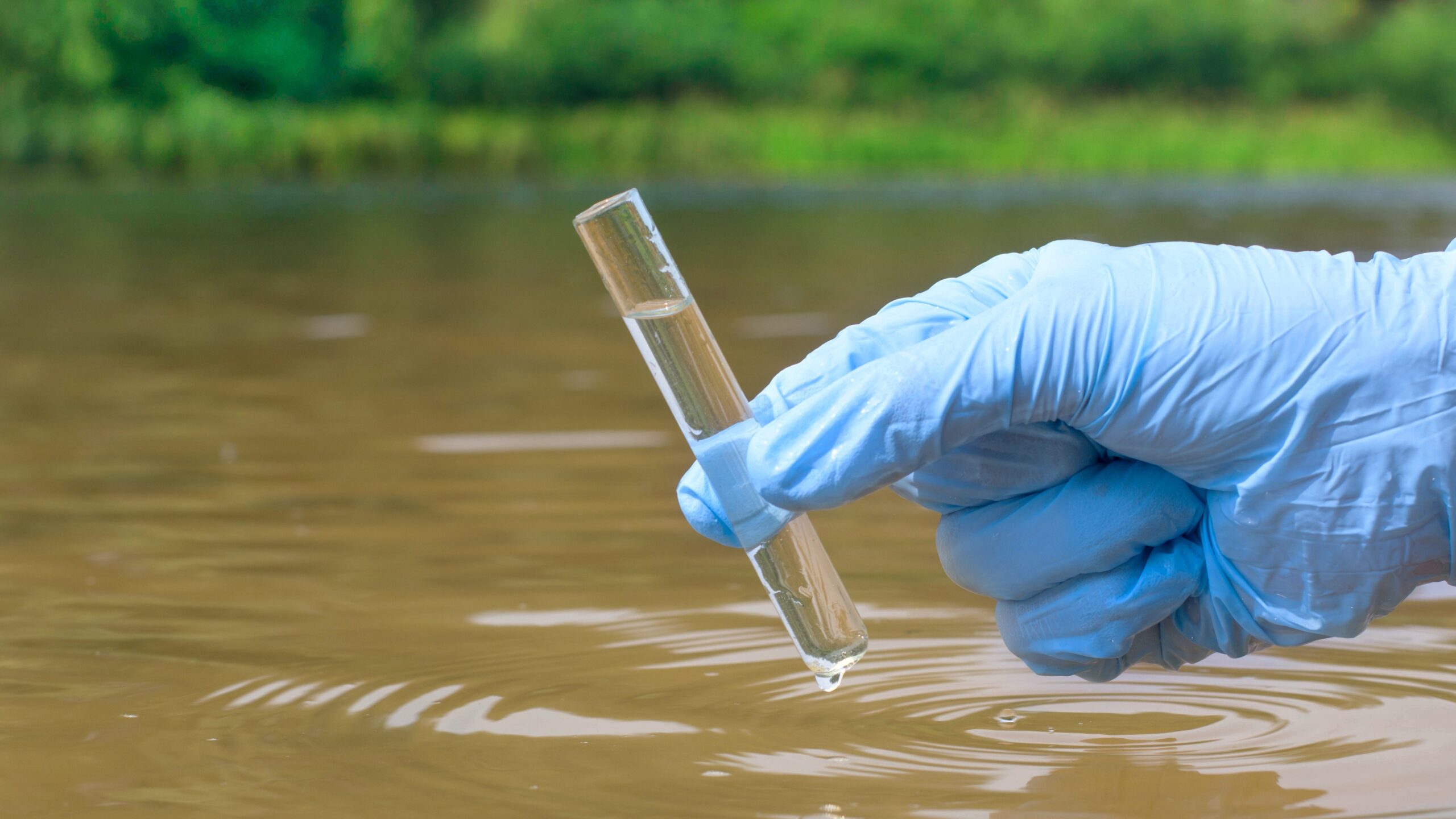
- Baseline to long‑term monitoring to track changes in water quality and aquatic health.
- Science‑based, regulation‑aligned programs to assess cumulative effects and guide adaptive, risk‑informed management.
- Ecosystem protection + compliance built into every program.
- Indigenous partnerships (where appropriate) to integrate Traditional Ecological Knowledge with western science.
- Community‑driven insights to better understand water health, habitat use, and seasonal change.
-
Aquatic Ecology
Assessing Aquatic Ecosystem Health
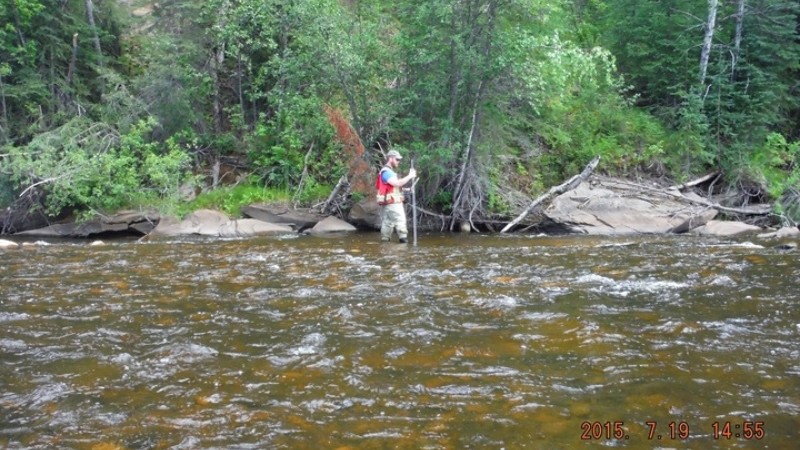
We provide aquatic ecology assessments to evaluate ecosystem condition and support long-term environmental management. Our work includes benthic invertebrate monitoring, aquatic habitat assessments, and biological evaluations used to understand how water quality, flow, and habitat conditions influence aquatic communities.
By integrating biological data with water chemistry, hydrology, and habitat conditions, we help identify early indicators of ecosystem stress, support cumulative-effects assessments, and inform long-term aquatic health reporting and watershed management decisions.
Fish & Fish Habitat
Supporting Fisheries Compliance and Habitat Management
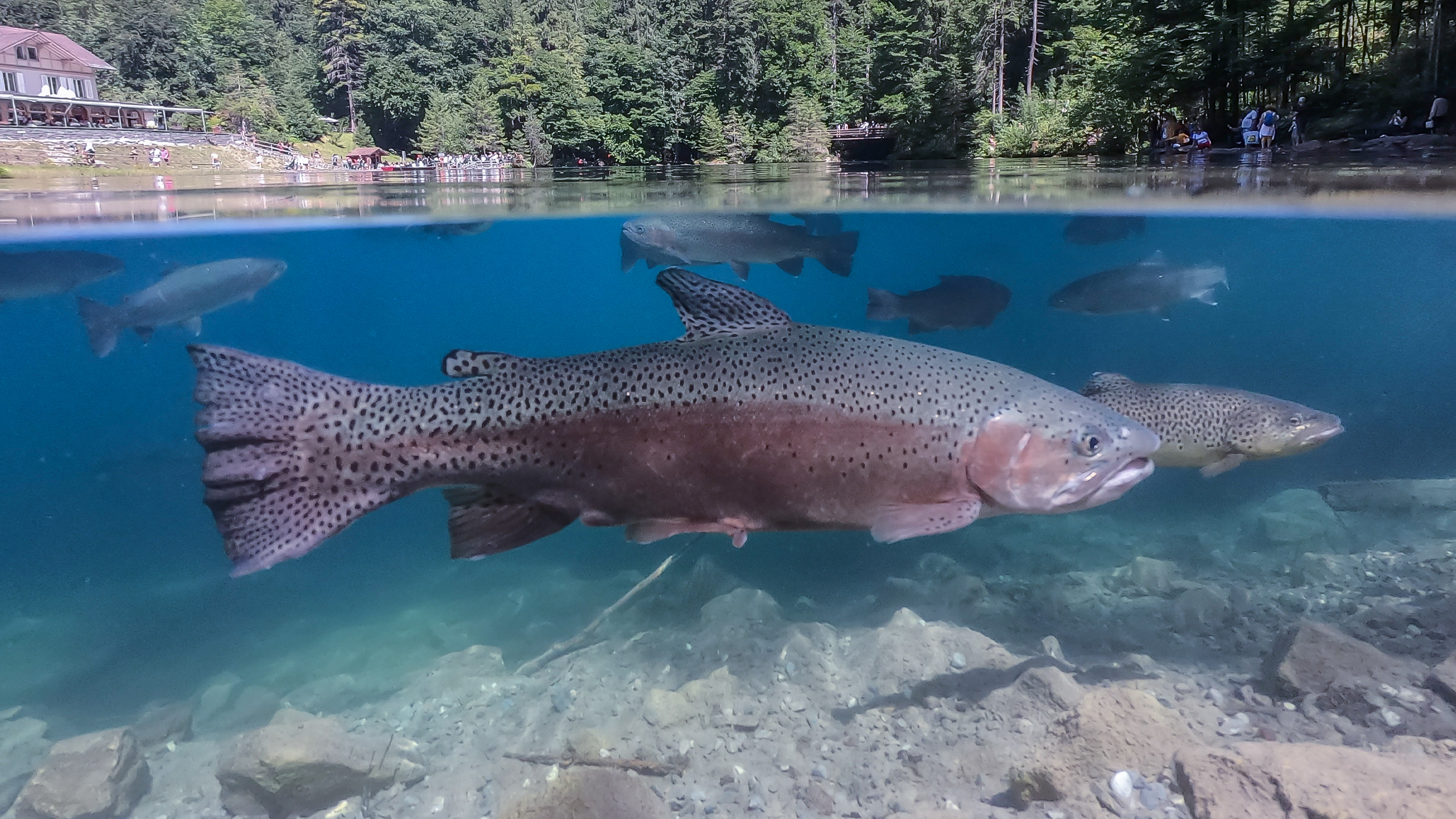
- Fish and habitat assessments to support project planning, construction, and regulatory compliance.
- Field programs including fish community surveys, habitat assessments, spawning surveys, and fish salvage to reduce risk during construction.
- Permitting support for Fisheries Act and Species at Risk Act authorizations, including coordination with Fisheries and Oceans Canada.
- Mitigation, monitoring, and offsetting strategies to meet regulatory requirements.
- Integrated assessments with hydrology, water quality, and riparian evaluations for defensible submissions and responsible project execution.
Contact Us
Your Water Resource Solutions Start Here
We help clients monitor, assess, and manage surface water, groundwater, and aquatic systems to support regulatory compliance, informed decision-making, and long-term water resource sustainability